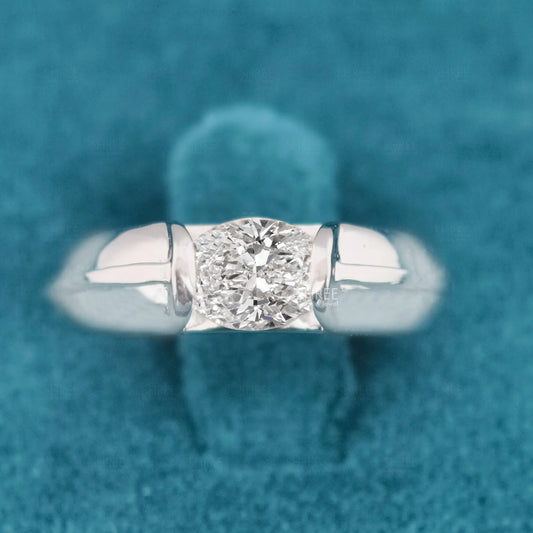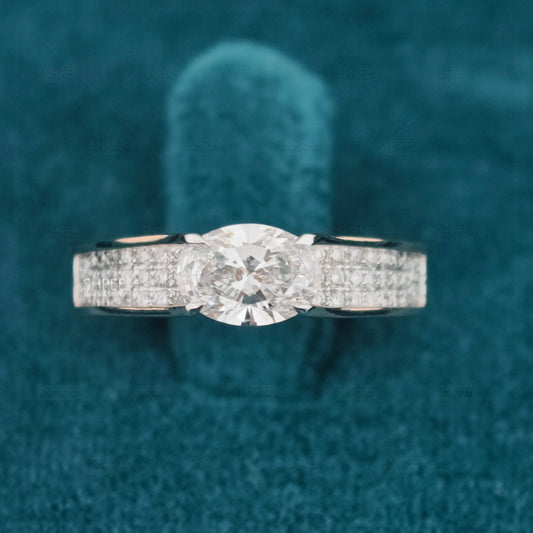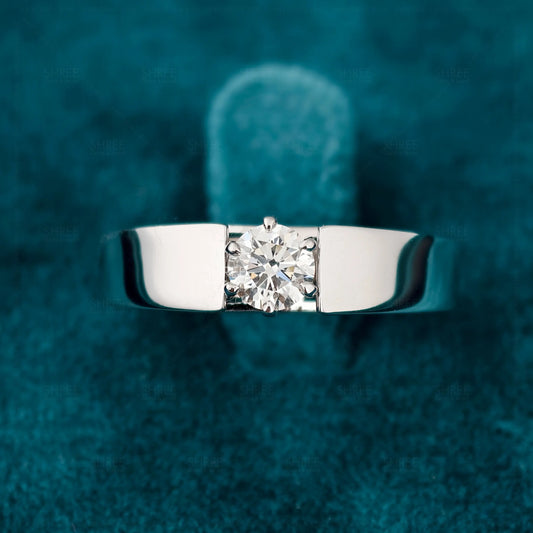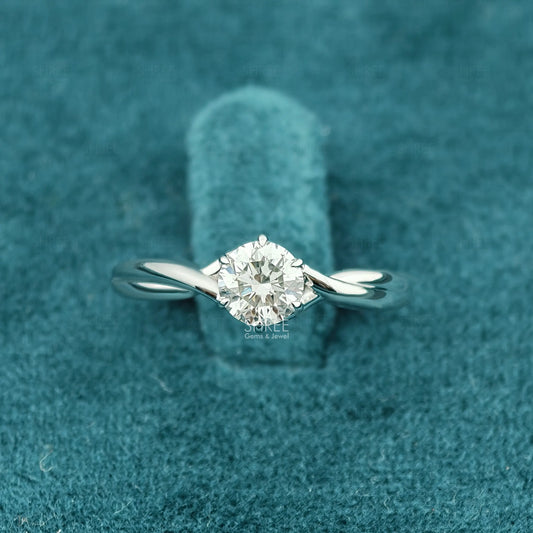

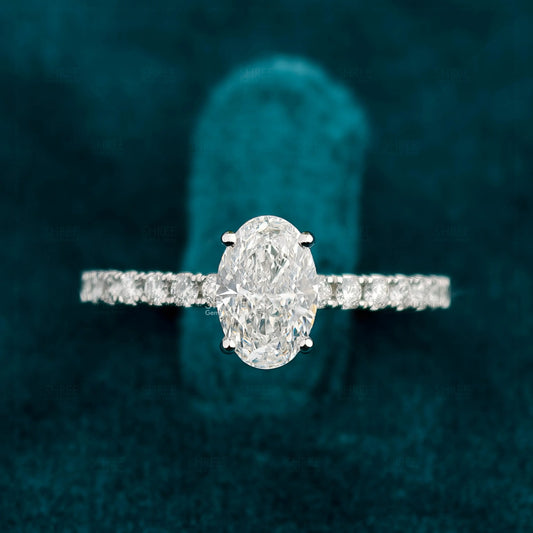

Lab-Grown Diamond vs Natural Diamond: Price, Value, & Key Differences (2026 Guide)
The diamond world is split into two sides. On one side are loose natural diamonds, formed deep underground over millions of years. On the other side are lab loose diamonds, just as brilliant, but made in a matter of weeks. Choosing between them isn't just about looks. It's about what matters most to you: resale value, investment, and emotional meaning.
In this guide, we'll break down what really makes these diamonds different, why their prices vary so much, how they're made, and how they hold up in the real world. By the end, you'll know which diamond is right for you.
Are Lab-Grown Diamonds Real Diamonds?

The short answer is yes, absolutely. The gemological institute of america (gia), one of the world's top diamond grading organizations, recognizes lab grown diamonds as real diamonds.
Both lab made diamonds and natural diamonds are made of carbon. Specifically, the carbon is arranged in a special cube-like structure that gives loose diamonds their hardness. If you examined ten diamonds under a magnifier, you still couldn't tell which came from a lab and which came from a mine.
Their chemical makeup is the same. Their physical traits are also the same. Even trained gemologists need special tools to spot the difference. That's because lab diamonds aren't fakes. Rather, they're real diamonds grown using two main methods that copy the conditions found deep inside the earth.
How to Make Lab Grown Diamonds (HPHT vs CVD)

Two methods are used to grow lab diamonds. Each one copies a different part of how nature makes diamonds underground.
HPHT Method: High Pressure High Temperature Diamond Growth
Hpht stands for high pressure high temperature. Essentially, it copies the extreme conditions found about 100 miles below earth's surface, where natural diamonds form.
In this process, scientists place a tiny hpht lab grown diamonds seed into a chamber packed with pure carbon. The chamber is then subjected to temperatures over 2,000°c and pressures of around 1.5 million pounds per square inch.
Under these extreme conditions, the carbon melts and starts to form crystals around the seed. Over the course of several weeks, the crystal grows into a rough diamond that can then be cut and polished.
CVD Method: Chemical Vapor Deposition Diamond Growth
Cvd, on the other hand, takes a completely different path. A thin diamond seed is placed inside a sealed chamber filled with a gas mix of methane and hydrogen. When the chamber is heated to around 800°c, the gas breaks apart.
As a result, carbon atoms attach to the diamond seed, building the crystal one layer at a time. It's kind of like 3 d printing, but at the level of individual atoms. The result is often a very pure diamond, sometimes even cleaner than many mined diamonds.
In some cases, cvd lab diamonds may sell for slightly more than hpht diamonds on the resale market. This is because cvd diamonds often don't have metallic bits inside them, which makes color grading easier. However, resale value mostly depends on overall quality, certification, and demand.
Why Are Lab Grown Diamonds Cheaper?

Lab-grown diamonds cost 60–80% less than natural diamonds with similar features. According to a report from The guardian, a 1-carat lab-grown diamond with vs1 clarity and g color might cost $800–$1,200. in contrast, a natural diamond with the same features could cost $4,000–$8,000.
Furthermore, the price gap gets even bigger with larger stones. For example, a 3-carat lab-grown diamond might cost $6,000, while a natural one of the same quality could run $35,000 or more.
The reason behind this price gap is the supply. Natural diamonds take billions of years to form and are limited in supply. Mines run dry and simply can't be replaced. Lab-grown diamonds, on the other hand, can be made in large amounts to meet demand, so lab diamonds prices keep dropping.
Put simply, when you buy a certified lab-grown diamond, you're paying for technology, energy, and skill. When you buy a natural diamond, however, you're paying for rarity, geological history, and mining costs.
Do Lab Grown Diamonds Hold Their Value

This is where things get tough for loose lab grown diamond fans. Unfortunately, its resale value drops fast. Market data from 2025 shows best lab diamonds hold only 10–15% of their purchase price. That $1,000 lab diamond? You might get just $100–$150 if you sell it. in fact, some jewelers won't buy them back at all.
Natural diamonds, by comparison, do much better. They hold 40–60% of their retail value. Higher-quality stones can hold even more. The difference, again, comes down to supply. Lab diamond prices have fallen 74% since 2020 as production has become more efficient.
As technology continues to improve, older affordable lab grown diamonds lose economic value fast. It's a lot like buying last year's phone; it still works, but it's worth less every year.
Key takeaway: If you want a diamond as a keepsake or investment, natural diamonds hold value better. On the other hand, if you're buying for personal enjoyment with no plans to resell, lab-grown diamonds give you more sparkle for your money.
Are Lab Grown Diamonds More Ethical?

Lab-grown diamond ads often focus on being eco-friendly. However, the truth is more complicated.
What Mining Does to the Earth
First, let's look at natural diamond mining. It disturbs the land, uses huge amounts of water, and releases a lot of carbon emissions. On average, mining one carat diamond releases about 160 kg of co₂, creates around 2.63 tons of mineral waste, and uses about 0.48 cubic meters of water.
Open-pit mines can permanently change landscapes. Underground mining, meanwhile, brings serious safety risks. Ocean mining can also harm marine ecosystems. Overall, these are well-documented environmental problems that shouldn't be ignored.
The Energy Cost of Lab-Grown Diamonds
Lab-grown diamonds, on the other hand, need massive amounts of electricity. Growing diamonds requires holding temperatures above 800°c and pressures strong enough to crush steel. That energy, of course, has to come from somewhere.
Some reports claimed lab diamonds release 511 kg of co₂ Per carat, three times more than mining. However, industry critics pushed back, arguing that those numbers were based on outdated data from power grids that relied heavily on coal.
More recent studies show the truth is somewhere in the middle. For instance, lab diamonds made in china or india using coal power can release 523–612 kg of co₂ per carat.
But facilities powered by renewable energy, in places like washington state or spain, can produce as little as 17 kg per carat. So, the environmental impact of a lab diamond depends greatly on where and how it's made.
Lab Diamonds vs. Natural Diamonds: Can Anyone Actually Tell the Difference?
| Feature | Natural Diamond | Lab Grown Diamond |
|---|---|---|
| Formation | Formed underground over eons | Created in labs in weeks |
| Price | Expensive | 60–80% cheaper |
| Resale Value | 40–60% | 10–15% |
| Durability | 10 Mohs | 10 Mohs |
| Eco Impact | Mining impact | Energy-intensive |
| Rarity | Limited supply | Mass production |
Can you tell with your naked eye whether a piece of jewelry has a natural or lab simulated diamond? Not really. Even experienced jewelers need special equipment to tell them apart.
To detect the difference, diamond labs use advanced testing. For example, spectroscopy can detect growth patterns, since natural diamonds have different stress patterns than lab-grown ones. Fluorescence testing can also reveal key differences. Additionally, nitrogen levels are another important clue.
Natural diamonds usually contain trace amounts of nitrogen from forming deep in the earth. Cvd diamonds, by contrast, tend to have little to no nitrogen. Hpht diamonds may also have tiny metallic bits from the growing process.
To help buyers know what they're getting, best lab grown diamonds online are marked with a laser inscription on the edge of the stone, visible under about 50x magnification. The international gemological institute marks "lab-grown" on their reports as well.
Moreover, in 2019, gia stopped using the word "synthetic" and switched to "laboratory-grown" on its grading reports.
Are Lab-Grown Diamonds as Durable as Natural Diamonds?
Both natural and diamonds lab created score a 10 on the mohs hardness scale, the highest possible rating. As a result, they resist scratches equally and keep their brilliance over time. Worries about igi certified lab grown diamonds being fragile or turning cloudy over the years are simply not true. They don't crack easily, they don't cloud with age, and they don't lose their sparkle.
What Many Jewelers Don’t Tell You About Lab-Grown Diamonds
Lab-grown diamonds often bring in lower profits for jewelers because of their lower prices. Because of this, some traditional jewelers may push natural diamonds, which usually carry higher markups. Additionally, many jewelers are reluctant to offer trade-ins for lab-grown diamonds because wholesale prices have kept falling.
That's why certification matters a lot when buying igi lab grown diamonds. Trusted grading labs like the international gemological institute (igi) and the gemological institute of america (gia) provide reports that confirm quality and origin. Since igi has long focused on grading lab-grown diamonds, many retailers rely on its certification for this category.
At Shree gems and jewels, however, we do things differently. We believe offering affordable fine jewelry with real, high-quality lab created diamonds should come first. As a result, every piece we sell comes with proper certification, so you know exactly what you're getting, at a price that makes sense.
Explore our collection of Lab-grown diamond jewelry And experience certified quality at real value.
Why Diamonds Became the Standard for Engagement Rings

Interestingly, diamonds became the standard for Lab diamonds engagement rings Mostly because of smart marketing, not ancient tradition. De beers launched the famous "a diamond is forever" campaign in 1947. before that, most couples simply chose other gemstones.
Today, natural diamond fans talk about romance. They formed when dinosaurs walked the earth, survived volcanic eruptions, and waited billions of years just for you. lab diamond supporters, meanwhile, offer a more practical view: the same beauty without the ethical concerns.
Ultimately, which side you agree with depends on your own values. Some people find deep meaning in a stone's ancient history. Others prefer knowing their purchase didn't fund violence or cause environmental harm. Neither view is wrong. After all, a diamond's meaning comes from the relationship it stands for, not where it came from.
Lab-Grown vs. Mined Diamonds: Which Should You Buy?
Choose natural diamonds if you:
-
Value rarity and geological history
-
Want better resale potential
-
See the diamond as a long-term asset
Choose lab-grown diamonds if you:
-
Want more size and quality for your budget
-
Want guaranteed conflict-free sourcing
-
Don’t see diamonds as financial investments
-
Value similar quality at a much lower price
In the end, don’t let anyone tell you one choice is better.
Future of the Diamond Market: Are Lab-Grown Diamonds Taking Over?

The lab-grown diamond market is growing fast. Lab-grown diamonds made up 28.4% Of engagement ring purchases in 2021, up from 18.7% in 2020. looking ahead, by 2026, some industry estimates suggest lab diamonds could represent more than half of all new engagement ring sales in the united states.
This growth is largely driven by millennials and gen z buyers, who tend to care more about affordability and sustainability than tradition. As a result, younger shoppers are generally less attached to the symbolism and rarity of natural diamonds.
At the same time, the cost of making lab-grown diamonds keeps dropping. Advances in microwave plasma chemical vapor deposition (mpcvd) technology now allow diamonds to be grown in days instead of weeks. Consequently, more supply means lower prices and faster depreciation for older lab diamonds.
Natural diamond prices, meanwhile, dipped in early 2024 due to lower demand from china and growing competition from lab-grown alternatives. Whether natural prices level out or keep falling will ultimately depend on how much consumers value rarity over function.
Diamond Certification and Insurance: What Buyers Should Know

Regardless of which type you choose, both lab-grown and natural diamonds should be insured against theft, loss, and damage. Because lab-grown diamonds cost less to replace, insurance premiums for them are often lower.
Above all, always buy a certified diamond. Trusted labs like gia, igi, and gcal issue grading reports that confirm a diamond's quality and origin. Certification not only helps prevent fraud but also gives insurers the details they need to replace your stone accurately.
That said, keep in mind that some insurers treat lab-grown and natural diamonds differently in their policies. Therefore, read the terms carefully and confirm whether your policy covers full replacement value or accounts for depreciation.
Conclusion
To summarize, lab-grown and natural diamonds are both real diamonds with the same look and durability. The main differences, however, lie in origin, price, resale value, environmental impact, and personal meaning.
Natural diamonds generally hold their value better over time, but cost more upfront. Lab-grown diamonds, on the other hand, offer impressive size and quality for the price, though they tend to lose value more quickly.
Ultimately, the right choice depends on your priorities.
If you're buying a diamond for lifelong enjoyment with no plans to resell, a lab-grown stone can be a great deal. If, however, you see your diamond as a family heirloom or financial asset, a natural diamond may be the smarter choice.
So set aside the marketing pressure from either side. Ignore the noise. Simply choose the diamond that fits your values and your budget. That's what truly matters.
Frequently Asked Questions
1.) Do the 4 cs apply to both types?
Yes, the 4 cs - cut, color, clarity, and carat, are used to grade both natural and lab-grown diamonds.
2.) Can jewelers detect lab-grown vs natural diamonds?
Yes, but only with specialized equipment, since they look identical to the naked eye.
3.) lab-grown diamond is how much cheaper then a natural diamond?
Lab-grown diamonds are usually 60–80% cheaper Than natural diamonds of similar size and quality.
4.) Is a lab-grown diamond as durable as a natural diamond?
Yes, both score 10 on the mohs hardness scale And are equally durable.
5.) Can natural diamonds make better jewelry than lab-grown diamonds?
No, both look and perform the same, though natural diamonds may carry more emotional value.
6.) Will lab-grown diamond prices decrease in the coming years?
Most likely yes, as improved technology and increased supply continue to lower production costs.
7.) What is the price difference between natural and lab-grown diamonds?
Lab-grown diamonds are typically 60–80% cheaper Than natural diamonds of the same size and quality.
8.) How much is a 1-carat lab diamond worth?
A 1-carat lab-grown diamond usually costs around $800–$1,200, compared to $4,000–$8,000 for a natural one.
9.) Do natural diamonds hold their value better than lab diamonds?
Yes, natural diamonds generally Retain resale value better, while lab-grown diamonds have lower long-term market value.
10.) Can you wear lab diamonds every day?
Yes, lab-grown diamonds are just as durable as natural diamonds and safe for everyday wear.