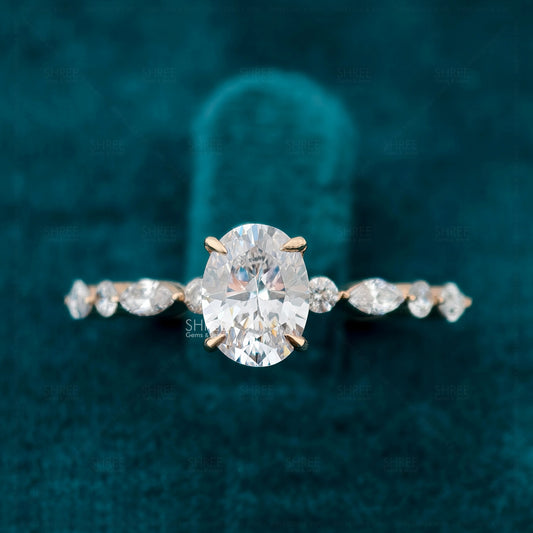
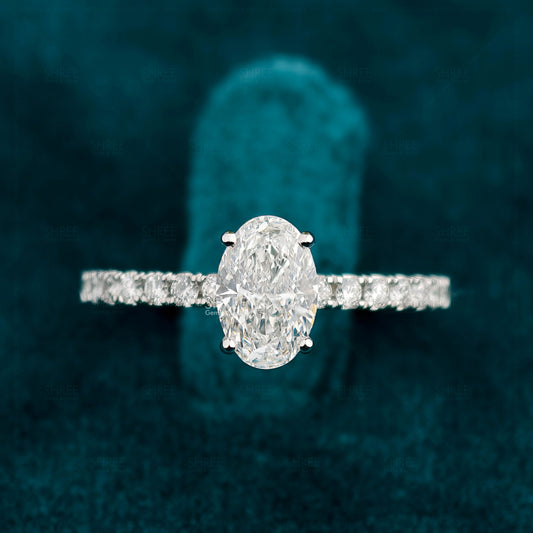
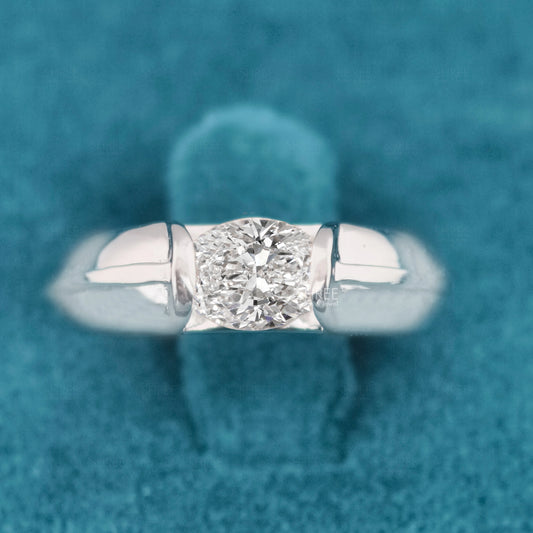


What Are Lab-Grown Diamonds? Complete Beginner Guide
Lab diamonds are changing the face of the international jewelry industry. While lab grown diamonds were once considered a scientific experiment, they are now widely used in lab grown diamon engagement rings, luxury diamond fine jewelry, and even high-tech industries. Today, consumers are choosing lab-grown diamonds because they offer the same sparkle as a diamond at a fraction of the price.
In the following paragraphs, you will get an idea of what lab created diamonds are, how they are made, and why they are becoming popular worldwide.
What Are Lab-Grown Diamonds?

Lab diamond, also known as synthetic diamonds, cultured diamonds, and man-made diamonds, are real diamonds that are made in a lab by utilizing technology that imitates nature's own method of making a diamond. Although best lab grown diamond are made in a lab, they have the same chemical, physical, and optical properties as mined diamonds do. this means that lab made diamonds are:
- Composed of pure carbon
- Extremely hard, with a mohs hardness of 10
- Brilliant and sparkly, just like mined diamonds
- Perfect for fine jewelry, such as engagement rings
The only difference is that cvd diamonds are made in a lab, while mined diamonds take billions of years to make deep within the earth, whereas lab diamonds for sale are made in just a few weeks in a lab.
How Are Lab-Grown Diamonds Made?

There are two methods that are currently being utilized in making synthetic diamonds.
High Pressure High Temperature (HPHT)
The hpht method replicates the environment in which best lab diamonds are naturally produced deep within the earth's crust. In this method:
- A diamond seed is placed in contact with carbon.
- The high pressure and temperatures above 1300 °c in the chamber cause carbon atoms to crystallize around the diamond seed, forming a diamond.
- This technology was first introduced in the 1950s to produce synthetic diamonds for industrial purposes. Today, it is widely used to create diamonds for both industrial applications and jewelry.
Chemical Vapor Deposition( CVD)
This is a relatively newer technology used by many manufacturers of loose lab grown diamonds. This method works as follows:
- A small diamond seed is placed in a vacuum chamber.
- A carbon-rich gas is introduced into the chamber.
- Heat is used to break down the gas molecules.
- Carbon atoms deposit on the diamond seed and gradually build up to form a diamond crystal.
- Loose grown diamonds produced through this technology are of high clarity and color and are used to make high-end jewelry.
Are Lab-Grown Diamonds Real?

Yes, loose lab diamonds are 100% real diamonds.They possess the same:
- Hardness
- Brilliance
- Refractive index
- Crystal structure
It is not possible for a professional jeweler to differentiate between a affordable lab-grown diamond and a real diamond without the aid of sophisticated technology.Gemological laboratories like igi and gia grade lab-grown diamonds using the same grading system as they grade real diamonds.
The 4Cs of a Diamonds

Synthetic lab diamonds are graded on the same 4 cs scale as natural diamonds. The 4 cs scale consists of cut, color, clarity, and carat. These factors help evaluate the quality, beauty, and value of a diamond. Learning about the 4 cs will help you pick the best loose diamond for your piece of fine jewelry.
1. Cut
The cut of a best lab grown diamond measures how well the diamond is cut. the quality of the cut determines how well a diamond reflects light and produces sparkle and brilliance. A well-cut diamond will sparkle and shine more because it is able to reflect more light. The diamond cut is graded as follows:
- Excellent
- Very good
- Good
- Fair
- Poor
2. Color
The color of a diamond measures how colorless the diamond is. the scale ranges from d to z. d is the most colorless, whereas z is a noticeable yellow or brown tint. The most popular colors are g and h. these are nearly colorless and affordable.
3. Clarity
Clarity means that there are small imperfections inside or on the loose diamond surface called inclusions and blemishes. The grades are:
- Fl (flawless)
- Vvs (very very slightly included)
- Vs (very slightly included)
-
Si (slightly included)
Most lab diamonds graded as vs or si are considered flawless to the naked eye and represent a good value.
4. Carat
Carat refers to the weight of a diamond. One carat is equal to 200 milligrams. The price of a diamond increases with its carat weight because larger carat weight is less common. However, carat weight is not the only determinant of best man made diamonds appearance because shape and cut are involved as well. Lab-created diamonds enable consumers to acquire high carat weight diamonds at a lower lab diamond price relative to natural diamonds.
Read More About Diamond Clarity
Certification of Lab-Created Diamonds

Lab-created diamonds are just as certified as naturally occurring diamonds made from the earth. Certifications will detail the four cs: ‘cut, color, clarity, & carat’, to assure you of the diamond’s authenticity and quality. The following laboratories are trusted:
Why Lab-Grown Diamonds Are Becoming Popular

Loose Lab diamonds have gained popularity over the last ten years. The lab-grown diamond market worldwide reached over $27 billion in 2023 and is growing with the increase in demand. Several factors contribute to the popularity of lab-grown diamonds.
1. Lower price
The first advantage of lab-grown diamonds over natural ones is price. The price of lab-grown diamonds is 30-40% lower than that of comparable natural diamonds.Therefore, lab-grown diamonds offer the advantage of:
- A larger diamond
- Higher clarity
- Higher color grade
- All within the same price range
2. Ethical and Conflict-Free
The diamond industry has always come under fire due to various unethical issues:
- Conflict diamonds: these are the "blood diamonds" of the diamond industry.
- Poor working conditions: mining of natural diamonds poses a lot of risks to miners.
3. Environmentally Friendly
Mining of natural diamonds involves extensive excavation of the land and energy consumption. Laboratory created diamonds have fewer environmental impacts, which is an advantage to consumers who care about the environment.
Growth in Demand for Lab-Grown Diamonds
There has been considerable growth in the market for lab-created diamonds in recent years. A few notable data points include:
- The lbest lab made diamond market was less than one billion u.s. dollars before 2016, and has grown to approximately twelve billion dollars in 2022
- best man made diamonds currently comprise 17% of the affordable engagement ring market
- The current projections say that the lab created stones market will exceed ninety billion dollars by 2034.
Younger generations, comprised of millennials and gen z consumers, are helping to drive this increase in demand for lab grown diamonds due to their concern for the environment.
Lab-Grown Diamonds in the Modern Diamond Industry
The emergence of man made diamonds is transforming the modern diamond industry. India and china have become significant production centers for best lab created diamonds. The united states of america has become an important market for cvd diamonds. India, particularly surat, has become one of the most significant centers of cutting and polishing and trading lab made diamonds. Apart from lab grown diamond jewelry, loose lab diamonds also find significant use in the following fields:
- Electronics
- Semiconductors
- Cutting tools
- Quantum computing
-
Aerospace technology
The exceptional hardness and heat conductivity of lab-grown diamonds make them extremely significant in the above-mentioned fields.
Lab-Grown Diamonds vs Natural Diamonds
Many buyers want to understand the difference between lab-grown diamond and loose natural diamonds before making a purchase. Lab certified diamonds are created in controlled laboratory environments using advanced technology that replicates the natural diamond-growing process. Natural diamonds, on the other hand, are formed deep within the earth over billions of years under extreme heat and pressure. Despite their different origins, both types of loose diamonds share the same chemical composition, crystal structure, and optical properties. This means they look identical to the naked eye and offer the same brilliance and hardness. However, there are a few key differences between the two.
|
Feature |
Lab-Grown Diamonds |
Natural Diamonds |
|
Formation |
Created in a laboratory |
Formed naturally inside the Earth |
|
Formation Time |
A few weeks |
Billions of years |
|
Price |
30–40% more affordable |
More expensive |
|
Environmental Impact |
Lower environmental impact |
Requires mining |
|
Rarity |
Produced on demand |
Naturally rare |
Best Lab Diamond Prices Comparison
One of the main reasons consumers choose lab-grown diamonds is the price advantage. Because they can be produced in laboratories, lab diamond price per carat cost significantly less than natural diamonds of similar quality. Below is an approximate price comparison.
|
Diamond Size |
Lab-Grown Diamond Price |
Natural Diamond Price |
|
1 Carat |
$800 – $2,500 |
$4,000 – $8,000 |
|
2 Carat |
$2,500 – $6,000 |
$12,000 – $25,000 |
|
3 Carat |
$6,000 – $12,000 |
$30,000+ |
This price difference allows buyers to choose Larger diamonds or higher-quality stones without exceeding their budget. For example, instead of buying a 1-carat natural diamond, many buyers can afford a 2-carat lab-grown diamond at the same price.
Tips for Buying Lab-Grown Diamonds
If you are considering buying a loose synthetic diamond, there are several important factors to keep in mind.
1. Check Diamond Certification
Always buy diamonds that are certified by trusted gemological laboratories such as:
-
Gemological institute of america (gia)
-
International gemological institute (igi)
- Gem certification & assurance lab (gcal)
Certification ensures that the diamond has been professionally evaluated for cut, color, clarity, and carat weight.
2. Focus on Cut Quality
The cut of a diamond has the biggest impact on its sparkle and brilliance. Always prioritize Excellent or Very Good cut grades.
3. Choose Near-Colorless Diamonds
Diamonds in the G–H color range offer a great balance between beauty and value.
4. Consider Eye-Clean Clarity
Loose diamonds with VS or SI clarity usually appear flawless to the naked eye while being more affordable.
5. Buy From Trusted Jewelers
Always purchase diamonds from reputable jewelry retailers to ensure authenticity and quality.
Read More About Choose the Right Place To Buy Lab Grown Diamond Jewelry
Conclusion
Man created diamonds are one of the biggest innovations that have ever come to the jewelry market. The fact that lab-grown diamonds use technology and eco-friendly practices to produce diamonds means that consumers are able to acquire diamonds at a more affordable price. Lab-grown diamonds are expected to play a larger role in the future of the jewelry industry as technology advances and more people become knowledgeable about lab-grown diamonds.
This guide was prepared by the jewelry experts at Shree Gems & Jewel, specializing in custom diamond jewelry and lab-grown diamond engagement rings.
FAQ’s
1. What are lab-grown diamonds?
Lab-grown diamonds are real diamonds created in laboratories using advanced technology that replicates the natural diamond formation process.
2. Are lab-grown diamonds real diamonds?
Yes, lab-grown diamonds have the same chemical, physical, and optical properties as natural diamonds.
3. Are lab-grown diamonds cheaper than natural diamonds?
Lab-grown diamonds are usually 30–40% more affordable than natural diamonds of similar quality.
4. How are lab-grown diamonds made?
Lab-grown diamonds are created using two main methods: HPHT (High Pressure High Temperature) and CVD (Chemical Vapor Deposition).
5. How long does it take to grow a diamond in a lab?
Most lab-grown diamonds take 2 to 6 weeks to grow, depending on the size and production method.
6. Can you tell the difference between lab-grown and natural diamonds?
Without specialized equipment, it is extremely difficult to tell the difference between lab-grown and natural diamonds.
7. Do lab-grown diamonds pass a diamond tester?
Yes, lab-grown diamonds pass standard diamond testers because they have the same thermal conductivity as natural diamonds.
8. Do lab-grown diamonds sparkle like natural diamonds?
Yes, lab-grown diamonds have the same brilliance, fire, and sparkle as natural diamonds.
9. Are lab-grown diamonds good for engagement rings?
Yes, lab-grown diamonds are a popular choice for engagement rings because they are affordable, ethical, and visually identical to natural diamonds.
Explore Top 10 Enaggement Rings Under $1000
10. Do lab-grown diamonds lose their sparkle over time?
No, lab-grown diamonds maintain their sparkle and durability forever, just like natural diamonds.
11. Are lab-grown diamonds environmentally friendly?
Lab-grown diamonds generally have a lower environmental impact because they do not require large-scale mining.
12. Are lab-grown diamonds certified?
Yes, lab-grown diamonds are certified by gemological laboratories such as Gemological Institute of America and International Gemological Institute.
13. Do lab-grown diamonds have resale value?
Lab-grown diamonds may have lower resale value compared to natural diamonds, but their affordability makes them attractive to many buyers.
14. Are lab-grown diamonds ethical?
Yes, lab-grown diamonds are considered ethical because they are produced without mining and are free from conflict diamond concerns.
15. Which is better: lab-grown or natural diamonds?
Both have the same beauty and durability, but lab-grown diamonds offer better value, while natural diamonds are valued for their rarity.